Pediatric Eye Care

Childhood Myopia
Evaluation & Management

Myopia (short-sightedness) in children has become increasingly common and can progress through school years, making early detection and regular monitoring important.

Childhood Myopia Evaluation & Management at Gandhi Eye Centre Faridabad

What Is It?

Understanding Myopia in Children

Myopia (short-sightedness) occurs when a child can see nearby objects clearly but distant objects appear blurred, because light focuses in front of rather than directly on the retina.

Childhood myopia often begins during school years and can progress — meaning the prescription increases — as the child grows, particularly through the primary and early teenage years, before generally stabilising in later adolescence.

Time spent on close-up activities (reading, screens) and reduced outdoor time have been associated with myopia development in children, alongside genetic factors such as a family history of myopia.
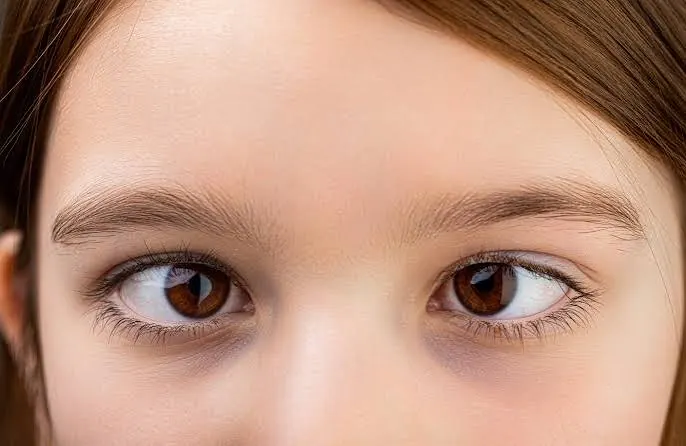
Symptoms & Indications

Signs to Watch For

Children, especially younger ones, may not report blurred vision directly — parents and teachers are often the first to notice behavioural signs.

📺
Sitting close to the TV or holding books close

A child who moves closer to the television or holds books/tablets very close to their face may be compensating for blurred distance vision.

🪑
Difficulty seeing the classroom board

Struggling to read the board from a normal classroom seating distance, or asking to move to the front, is a common sign.

😑
Squinting at distant objects

Squinting to bring distant objects into sharper focus is a classic myopia sign.

🤕
Frequent headaches or eye rubbing

Eye strain from uncorrected myopia can cause headaches or a tendency to rub the eyes, particularly after visually demanding tasks.

Treatment Options

Available Options

01
Regular Eye Examinations

Periodic vision and refraction checks track whether myopia is present and whether the prescription is changing over time.

02
Glasses

Correctly prescribed glasses, updated as the prescription changes, are the standard way to give a myopic child clear vision for school and daily life.

03
Myopia Management Discussion

For children with progressing myopia, Dr. Gandhi will discuss monitoring frequency and general measures such as outdoor time; specific myopia-control options, if considered, are discussed individually based on the child's findings.

What To Expect

What a Pediatric Eye Check Involves

A child's eye examination is adapted to their age and cooperation, and covers more than just a reading chart.

🗣️
History

We ask about school performance, screen habits, outdoor time, and any family history of myopia or other eye conditions.

👁️
Vision & Refraction Testing

Age-appropriate vision charts and refraction testing determine the level of myopia, if any, present.

🔬
General Eye Health Check

The eyes are also examined to rule out other conditions such as squint or amblyopia alongside the refractive check.

📅
Follow-Up Schedule

A follow-up interval is recommended based on the child's age and whether myopia is progressing, so glasses can be updated as needed.

Please note: Every child's myopia progression is different. Regular monitoring, rather than a single eye test, is what allows glasses and any management approach to be adjusted appropriately over time.

Common Questions

Frequently Asked Questions

Myopia can be detected at any age once a child is old enough to cooperate with vision testing — often from around 3-4 years with age-appropriate methods, and more precisely as they get older.

Myopia progression commonly slows and stabilises by late adolescence for many children, though the exact timing varies and cannot be predicted from a single visit.

Reducing near-work and increasing outdoor time are commonly discussed as general measures, but they do not reverse existing myopia; regular testing and correctly updated glasses remain central to management.

This depends on their age and how quickly their prescription has been changing; Dr. Gandhi will recommend a specific follow-up interval for your child.
Dr. Deepak Gandhi

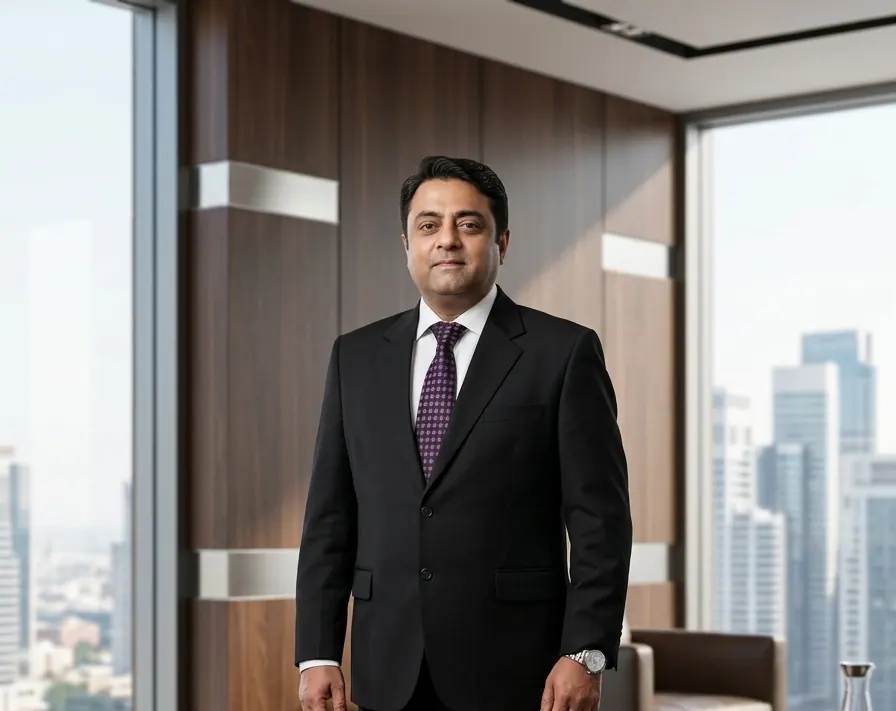
Evaluated and treated under Dr. Deepak Gandhi, Director of Gandhi Eye Centre, with clinical experience across cataract, glaucoma, cornea, retina and pediatric eye care.

View Doctor Profile →

Get Your Child's Eyes Tested

If you've noticed your child squinting, sitting close to screens, or struggling with the classroom board, book a pediatric eye examination at Gandhi Eye Centre, Faridabad.